

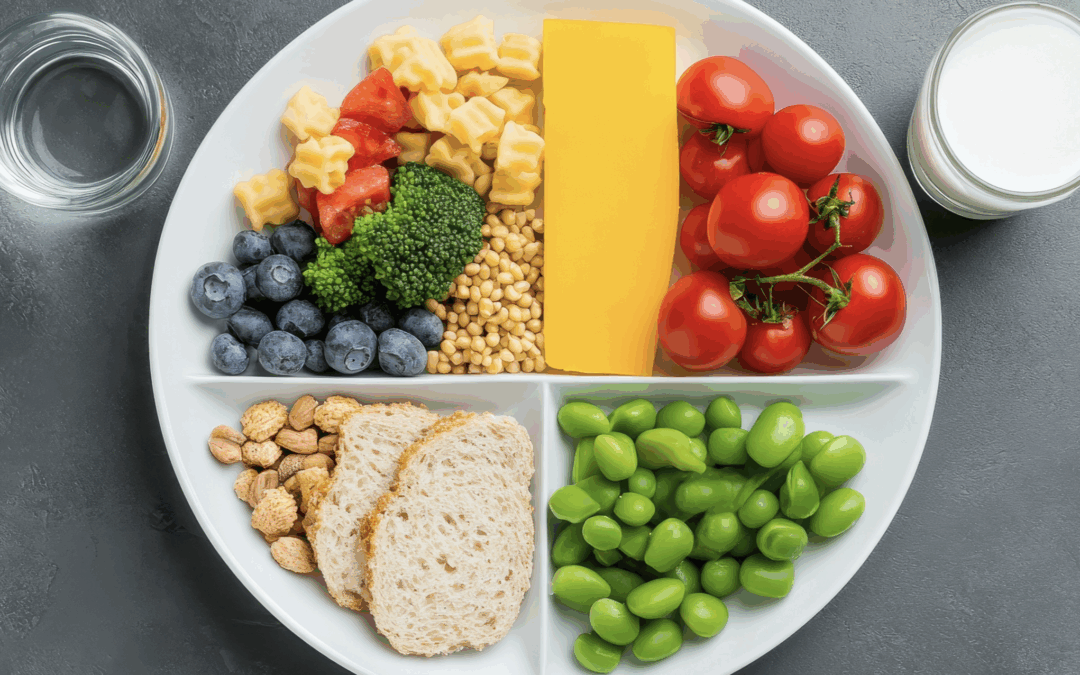
Managing blood sugar levels is one of the most important aspects of living with diabetes. Stable glucose levels help reduce the risk of long-term complications and improve daily energy, mood, and overall health. While medication and medical monitoring — including continuous glucose monitoring systems — play essential roles, dietary habits and lifestyle choices have a major impact on blood sugar stability.
Understanding how food choices affect glucose levels allows individuals with diabetes to make informed decisions that support long-term health. The following 13 blood sugar control tips focus on sustainable nutrition strategies and mindful eating habits designed to help improve glucose management and overall wellness.
Why Blood Sugar Control Is Important for Diabetes Management
Maintaining stable blood sugar levels helps prevent both short-term and long-term health complications associated with diabetes. Frequent glucose fluctuations may cause fatigue, headaches, mood changes, and difficulty concentrating. Over time, uncontrolled blood sugar levels can increase the risk of complications affecting the heart, kidneys, eyes, and nerves.
Blood sugar management involves more than avoiding sugar alone. It requires balancing carbohydrate intake, choosing nutrient-dense foods, maintaining portion awareness, and developing consistent meal timing habits. Small, consistent lifestyle changes often produce the most sustainable improvements in glucose control.
How Diet Impacts Blood Sugar Levels
Carbohydrates break down into glucose during digestion and enter the bloodstream. The type of carbohydrate, fiber content, protein balance, and portion size all influence how quickly blood sugar rises after eating.
Foods rich in fiber, lean protein, and healthy fats slow digestion and help prevent sudden glucose spikes. Choosing balanced meals that combine these nutrients helps maintain steady glucose levels and supports long-term diabetes management.
Smart Food Swaps for Blood Sugar Control
1. Prioritize Whole Grains Over Refined Carbohydrates
Whole grains contain fiber, vitamins, and minerals that slow carbohydrate digestion and help reduce rapid increases in blood sugar levels. Refined carbohydrates such as white bread, pastries, and processed cereals digest quickly and may cause glucose spikes.
Replacing refined grains with whole grain options such as quinoa, brown rice, oats, and whole wheat pasta supports stable glucose levels while providing essential nutrients.
Practical Tip: Replace white bread, pasta, and rice with whole grain alternatives whenever possible.
2. Load Up on Non-Starchy Vegetables
Non-starchy vegetables are low in carbohydrates and high in fiber, antioxidants, and essential vitamins. These vegetables help slow glucose absorption and provide important nutrients that support overall health.
Vegetables such as spinach, broccoli, cauliflower, kale, zucchini, and bell peppers add meal volume without significantly increasing blood sugar levels.
Practical Tip: Fill at least half of your plate with non-starchy vegetables during meals.
3. Choose Lean Protein Sources
Protein helps stabilize blood sugar levels by slowing digestion and preventing rapid glucose spikes. Lean protein sources also support muscle maintenance and help promote satiety, which may prevent overeating.
Healthy protein choices include poultry, fish, eggs, tofu, beans, and low-fat dairy products.
Practical Tip: Include a source of lean protein in every meal to help maintain balanced glucose levels.
4. Incorporate Healthy Fats Into Meals
Healthy fats help slow carbohydrate digestion and promote sustained energy levels. Fats also improve nutrient absorption and support heart health, which is especially important for individuals with diabetes.
Examples of healthy fats include avocados, nuts, seeds, olive oil, and fatty fish such as salmon.
Practical Tip: Add small portions of healthy fats to meals to improve glucose stability and support overall nutrition.
Everyday Eating Habits That Support Blood Sugar Control
5. Watch Portion Sizes
Even healthy foods can raise blood sugar levels if consumed in large portions. Monitoring portion sizes helps control carbohydrate intake and supports steady glucose management.
Using smaller plates, measuring serving sizes, and reading nutrition labels can help maintain appropriate portion control.
Practical Tip: Practice portion awareness by measuring serving sizes and avoiding oversized meals.
6. Avoid Sugary Beverages
Sugary drinks such as soda, sweetened coffee beverages, and fruit juices can cause rapid spikes in blood sugar levels. Liquid sugars absorb quickly into the bloodstream because they lack fiber and protein.
Water, unsweetened tea, and low-calorie beverages are healthier alternatives that help maintain hydration without increasing glucose levels.
Practical Tip: Replace sugary drinks with water, herbal tea, or unsweetened beverages.
7. Eat Meals at Consistent Times
Irregular eating patterns can lead to unpredictable blood sugar fluctuations. Eating meals at consistent times helps maintain stable glucose levels and supports medication timing for individuals managing insulin therapy.
Regular meal timing also helps prevent extreme hunger, which may lead to overeating.
Practical Tip: Establish a regular meal schedule that supports consistent blood sugar control throughout the day.
8. Increase Fiber Intake
Dietary fiber slows carbohydrate absorption and helps regulate glucose levels after meals. High-fiber foods also promote digestive health and help individuals feel fuller longer.
Foods rich in fiber include vegetables, fruits with skin, whole grains, legumes, nuts, and seeds.
Practical Tip: Gradually increase fiber intake while drinking adequate water to support digestion.
9. Choose Low Glycemic Index Foods
The glycemic index measures how quickly foods raise blood sugar levels. Low glycemic index foods digest more slowly and produce smaller increases in glucose levels.
Examples include sweet potatoes, legumes, whole grains, and most non-starchy vegetables.
Practical Tip: Prioritize low glycemic index foods when planning meals and snacks.
10. Stay Hydrated
Proper hydration supports metabolic processes and helps regulate blood sugar levels. Dehydration may contribute to higher blood sugar concentrations.
Water supports kidney function and helps remove excess glucose through urine when necessary.
Practical Tip: Drink water consistently throughout the day and limit sugary beverages.
Mindful Eating Habits for Long-Term Blood Sugar Control
11. Limit Processed and Packaged Foods
Highly processed foods often contain refined carbohydrates, added sugars, and unhealthy fats that may contribute to glucose spikes. These foods also tend to be lower in fiber and essential nutrients.
Choosing fresh, whole foods helps improve nutritional quality and supports stable glucose levels.
Practical Tip: Prepare meals using whole ingredients whenever possible.
12. Pay Attention to Hunger and Fullness Signals
Mindful eating encourages individuals to recognize natural hunger and fullness cues. Eating slowly allows the body to signal when it has consumed enough food, reducing the risk of overeating.
Mindful eating can help individuals make healthier food choices and maintain balanced glucose levels.
Practical Tip: Eat slowly and avoid distractions such as television or mobile devices during meals.
13. Plan Balanced Snacks
Balanced snacks can help prevent large gaps between meals and reduce blood sugar fluctuations. Combining protein, fiber, and healthy fats creates snacks that provide sustained energy.
Examples include apple slices with peanut butter, yogurt with nuts, or vegetables with hummus.
Practical Tip: Prepare healthy snacks in advance to avoid high-sugar convenience foods.
Additional Lifestyle Habits That Support Blood Sugar Control
While diet plays a major role in glucose management, other lifestyle habits and tools such as Dexcom CGM devices can also influence blood sugar stability. Regular physical activity helps muscles use glucose for energy and improves insulin sensitivity. Consistent sleep patterns support hormone regulation that influences glucose control.
Stress management is another important factor, as stress hormones may increase blood sugar levels. Incorporating relaxation techniques such as meditation, breathing exercises, or light physical activity can help support balanced glucose levels.
Small Nutrition Changes Can Create Long-Term Health Improvements
Improving blood sugar control does not require drastic dietary changes. Gradual adjustments such as choosing whole foods, balancing meals, and practicing mindful eating habits often produce sustainable long-term results.
Consistency is one of the most effective strategies for diabetes management, and patients can review Medicare CGM eligibility requirements to explore additional monitoring support options. Making small daily improvements helps individuals build healthy routines that support better glucose stability and overall well-being.
Frequently Asked Questions About Blood Sugar Control
What foods help stabilize blood sugar levels?
Foods rich in fiber, lean protein, and healthy fats help slow glucose absorption and support stable blood sugar levels.
How often should people with diabetes eat?
Many individuals benefit from balanced meals spaced throughout the day, but meal timing varies depending on individual medical recommendations.
Do whole grains help manage blood sugar?
Whole grains contain fiber that slows digestion and helps reduce sudden glucose spikes compared to refined carbohydrates.
Important Note:
This content is for informational and educational purposes only and is not a substitute for professional medical advice, diagnosis, or treatment. Always consult your healthcare provider with any questions regarding a medical condition or treatment plan. No doctor-patient relationship is established by reading or interacting with this content.
You Might Also Like
Benefits of Regular Sleep Schedule for Diabetes Prevention and Management
One night of poor sleep can increase insulin resistance by up to 33%. That is a staggering number for anyone managing their blood glucose. You might spend hours counting carbs and monitoring your...
How Do Dexcom’s Work? A Step-by-Step Guide to CGM Basics
Roughly 80% of people living with type 1 diabetes fail to meet their target A1C levels using traditional fingerstick monitoring alone. It is a frustrating reality. You prick your finger, see a...
Dexcom G7 Reviews: Real-World Pros, Cons, and What to Know Before Switching
Approximately 20% of continuous glucose monitor users report feeling overwhelmed by the sheer volume of data and hardware maintenance required to manage their condition. Managing diabetes is an...