

One night of poor sleep can increase insulin resistance by up to 33%. That is a staggering number for anyone managing their blood glucose. You might spend hours counting carbs and monitoring your steps, but if your sleep schedule is a chaotic mess, you are fighting a losing battle against your own biology. The truth is: your body thrives on predictability. While most advice focuses on what you eat or how you move, the timing of your rest is often the missing piece of the puzzle. I have seen patients do everything right during the day only to have their progress erased by a midnight scrolling habit or an inconsistent wake up time.
By sticking to a strict schedule, you can stabilize your glucose levels and make your daily management significantly easier. This guide explores how a consistent routine changes your internal chemistry. We will look at the hormonal shifts that happen while you snooze and how to build a routine that actually sticks.
The Benefits of Regular Sleep Schedule for Diabetes Prevention and Management go far beyond just feeling less tired. It is about physiological control. Here is a look at how your internal clock dictates your metabolic health and why consistency is your greatest ally.
Circadian Rhythm and Glucose Control
Your body operates on a 24 hour internal clock known as the circadian rhythm. This rhythm regulates everything from body temperature to the release of metabolic hormones. When you go to bed and wake up at different times every day, you create a state of internal jet lag. This confusion forces your liver to release extra glucose into the bloodstream at inappropriate times. In my experience, patients who stabilize their wake up times within a 30 minute window see much flatter glucose curves throughout the morning.
The science behind this is fascinating. Your pancreas has its own internal clock that dictates when it is most efficient at producing insulin. If you eat a late night snack when your pancreas has already “checked out” for the evening, your blood sugar will spike much higher than it would during the day. This leads to a vicious cycle of high morning readings and daytime fatigue.
Consider these impacts of a synchronized rhythm:
- Improved dawn phenomenon management where morning spikes become less severe
- More predictable responses to evening meals because your metabolism is prepared
- Better alignment between your medication timing and your body’s natural peaks
- Reduced reliance on corrective doses during the overnight hours
This leads to an important question: how does this actually change your cells? The next piece of the puzzle is understanding the physical response of your insulin receptors when they are well rested versus when they are deprived.
Impact on Insulin Sensitivity Levels
Insulin sensitivity is essentially how well your cells “listen” to the signal to let sugar in. When you are sleep deprived or sleeping at irregular intervals, your cells become somewhat deaf to that signal. This is known as acute insulin resistance. For someone with type 2 diabetes, this makes management feel like an uphill climb. For those trying to prevent diabetes, it creates the perfect environment for the disease to take root.
But that is just the start. Consistent sleep allows your body to enter deep, slow-wave sleep stages. This is when your growth hormone levels peak and your cortisol levels drop. Cortisol is the enemy of stable blood sugar. It is a stress hormone that tells your body to dump sugar into the blood for energy. If your sleep is fragmented, your cortisol stays high, and your insulin sensitivity plummets.
Here is what this means for you:
- You may require less insulin to cover the same amount of carbohydrates
- Your post-meal spikes likely won’t last as long as they do on tired days
- Exercise becomes more effective because your muscles are more receptive to glucose
- Your overall A1C levels tend to drift downward as your daily averages stabilize
The takeaway is simple: sleep is not passive. It is an active metabolic process. Once you realize that sleep is as important as your medication, your perspective on bedtime changes. Armed with that knowledge, we can look at how sleep controls the urges that lead to dietary slips.
Hormonal Balance and Appetite Regulation
Have you ever noticed that you crave bread, pasta, and sweets much more when you are tired? That isn’t a lack of willpower. It is biology. Sleep deprivation suppresses a hormone called leptin, which tells you that you are full. At the same time, it boosts ghrelin, the hormone that triggers hunger. When these two are out of balance, your brain screams for quick energy, which usually means simple sugars.
In my experience, many “dietary failures” are actually sleep failures in disguise. If you aren’t sleeping on a schedule, your brain is constantly in a state of perceived energy deficit. You end up overeating not because you want to, but because your hormones are forcing the issue. Consistent sleep keeps these hormones in check, making it significantly easier to follow a meal plan without feeling deprived.
Look at it this way:
- Consistent rest reduces “hedonic hunger” or the drive to eat for pleasure rather than fuel
- You are 45% more likely to choose healthy snacks when you’ve had 7 to 8 hours of rest
- Late night cravings diminish when your body trusts its energy cycle
- Your brain’s executive function improves, helping you make better food choices under pressure
Taking this a step further, we have to look at the invisible damage happening inside your veins. While appetite is a visible struggle, inflammation is the hidden threat that sleep helps to mitigate.
Reducing Chronic Inflammation Markers
Diabetes is fundamentally an inflammatory condition. High blood sugar causes inflammation, and inflammation makes blood sugar harder to control. It is a self-sustaining loop. Regular sleep acts as a cooling system for this inflammation. When you maintain a consistent schedule, your body can effectively clear out metabolic waste and reduce the production of pro-inflammatory cytokines.
Research shows that people with irregular sleep patterns have higher levels of C-reactive protein, a key marker of systemic inflammation. This inflammation damages blood vessels and increases the risk of cardiovascular complications, which are already a primary concern for those with diabetes. By prioritizing your sleep schedule, you are essentially giving your vascular system a nightly repair session.
The truth is:
- Lower inflammation leads to better kidney and heart health over the long term
- It reduces the “brain fog” often associated with high or fluctuating blood sugar
- Your body can heal small wounds and sores more efficiently when inflammation is low
- Joint pain and general stiffness often improve with better sleep consistency
Which leads to an important question: how do you actually do this? Knowing the benefits is one thing, but changing your life to accommodate them is another. Let’s look at the practical side of building a routine that lasts.
Practical Steps for Consistent Rest
Establishing a sustainable sleep routine doesn’t happen overnight. It requires a tactical approach to your environment and your habits. The most important rule is the “anchor time.” This is the time you wake up every single day, including weekends. If you wake up at 6:00 AM during the week but sleep until 10:00 AM on Sunday, you have just given yourself the metabolic equivalent of a flight from New York to London. Your body won’t know what hit it.
I recommend starting with small shifts. If your current schedule is all over the place, don’t try to move your bedtime by two hours all at once. Move it by 15 minutes every three nights. This gives your hormones time to adjust without causing the frustration of lying awake for hours. You also need to consider your light exposure, as blue light from phones mimics sunlight and tells your brain to stop producing melatonin.
Try these steps to build your foundation:
- Set a digital sunset where all screens go away 60 minutes before bed
- Keep your bedroom temperature between 60 and 67 degrees Fahrenheit for optimal deep sleep
- Use a dim light in the bathroom if you have to get up during the night to check your sugar
- Journal for five minutes to “dump” your worries so they don’t keep you awake
Taking this a step further, remember that consistency is more important than perfection. If you have one bad night, don’t let it derail your entire week. Just get back to your anchor wake up time the next morning.
The Benefits of Regular Sleep Schedule for Diabetes Prevention and Management are undeniable. We have seen how it regulates your internal clock, sharpens your insulin sensitivity, balances your hunger hormones, and cools down systemic inflammation. While it might feel like a lot of work to change your habits, the payoff is a level of glucose stability that medication alone often cannot provide.
You are now equipped with the knowledge to turn your sleep into a powerful tool for your health. This isn’t just about feeling rested; it is about giving your body the environment it needs to function correctly. When you master your sleep, you master a massive portion of your metabolic health.
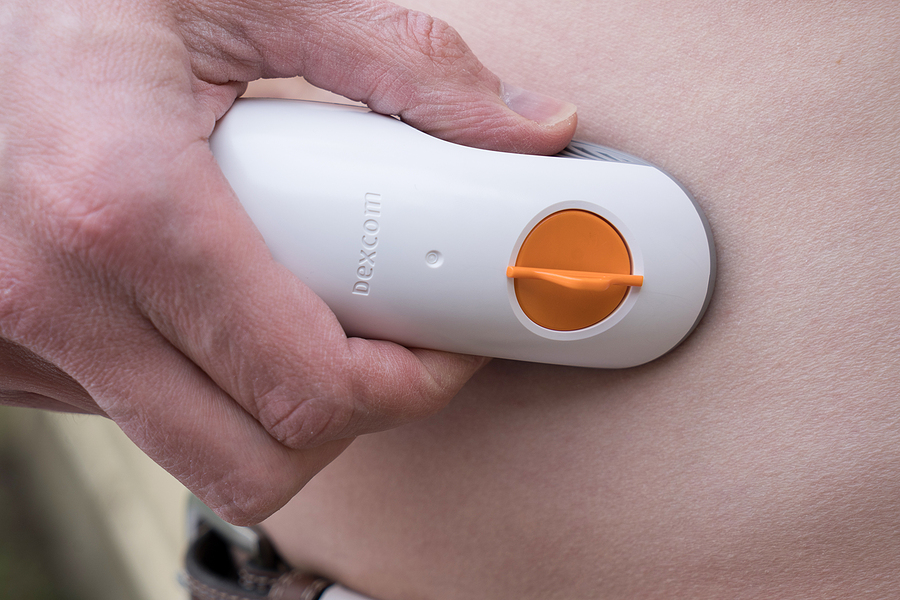
If you are ready to take full control of your glucose levels and see the real time impact of your new sleep routine, St. Joseph Medical can help. We provide advanced monitoring tools like the FreeStyle Libre 3 and Dexcom G7 that allow you to see exactly how your blood sugar behaves while you sleep. Seeing those overnight numbers stabilize is the best motivation to keep your routine going. Reach out today to learn more about how we can support your journey toward better health and more predictable sugar levels.
Important Note:
This content is for informational and educational purposes only and is not a substitute for professional medical advice, diagnosis, or treatment. Always consult your healthcare provider with any questions regarding a medical condition or treatment plan. No doctor-patient relationship is established by reading or interacting with this content.
You Might Also Like

The Power of Diabetes Self-Management Education: Take Control of Your Health
Managing diabetes is about more than taking medications—it’s about understanding your condition, making informed daily choices, and staying committed to long-term health. That’s where Diabetes...

What You Need to Know About the Dexcom G7 Sensor: Features, Accuracy & Benefits
For individuals managing diabetes, real-time insights into glucose levels are critical for making informed treatment decisions. A new Dexcom innovation—the Dexcom G7 Continuous Glucose Monitoring...
Understanding the Dexcom G6 Sensor
Smarter Glucose Tracking Without the Fingersticks For many people managing diabetes, keeping track of blood sugar levels can feel like a full-time job. Frequent fingersticks and manual logs add to...