

Research suggests that roughly 50 percent of people living with diabetes experience the dawn phenomenon, a natural surge in blood sugar that occurs before you even open your eyes. This spike happens because your body releases hormones like cortisol and growth hormone to prep you for the day, which triggers the liver to dump glucose into your bloodstream. If your insulin response is impaired, you wake up with a number that feels like a personal failure before you have even had a sip of coffee. Managing these early hours is the most difficult part of the day for many, but it is also the most influential.
The Best Morning Routine for People With Diabetes is not about achieving perfection or following a rigid set of rules that ignore how you actually feel. It is about creating a predictable physiological environment that tells your body it is safe to stabilize. By the time you finish reading this guide, you will have a clear, actionable blueprint for managing those tricky morning spikes and setting a steady tone for the next sixteen hours. We will look at everything from the order of your beverages to the timing of your movement.
The truth is: consistency beats intensity every single time. You do not need a two-hour ritual to see results. You need a sequence of small wins that protect your metabolic health. Here is how we build that foundation together.
Now let’s shift to the very first thing you do when your feet hit the floor.
Immediate Glucose Testing
Before you reach for your phone or head to the kitchen, you need data. Checking your blood glucose levels immediately upon waking provides a baseline that informs every decision you make for the rest of the morning. In my experience, skipping this step is like trying to drive a car with a foggy windshield. You might move forward, but you have no idea where the obstacles are.
This data point tells you if you are dealing with the dawn phenomenon or if your evening medication was perhaps too effective. If your fasting number is 140 mg/dL, your breakfast choice should look very different than if it were 95 mg/dL. This is where it gets interesting: many patients find that their numbers actually rise more if they wait too long to eat, as the body continues to dump glucose to fuel your perceived activity.
To make this habit stick, I suggest the following:
- Keep your testing kit or receiver on your nightstand within arm’s reach
- Log the number immediately in an app or a simple paper journal
- Note how many hours of sleep you got, as rest impacts insulin sensitivity
- Observe the trend over seven days rather than panicking over one high reading
The obvious question is whether you should test even if you feel fine. The answer is a resounding yes. Hypoglycemia unawareness or asymptomatic highs can skew your perception of your health. Armed with that knowledge, you can move to the next phase of your morning with confidence.
Hydrate With Water First
Most people reach for the coffee pot the second they stumble into the kitchen. While caffeine has its place, your body has just spent seven or eight hours losing moisture through breath and sweat. Dehydration causes your blood volume to decrease, which makes the glucose in your bloodstream more concentrated. This leads to higher readings that have nothing to do with what you ate and everything to do with your fluid status.
I recommend drinking at least twelve to sixteen ounces of plain water before any other beverage. This helps your kidneys flush out excess glucose and rehydrates your cells, making them more receptive to insulin. But that’s just the start. If you add a splash of apple cider vinegar or a squeeze of lemon, some studies suggest it may further blunt the glycemic response of your upcoming meal.
Here is what this means for you:
- Drink your water at room temperature if cold water is too jarring
- Finish the entire glass before you start brewing your coffee or tea
- Avoid flavored “water enhancers” that contain hidden maltodextrin
- Track your hydration levels by the color of your urine throughout the morning
The takeaway is that hydration is the simplest, cheapest medication you have at your disposal. Once you have rehydrated your system, your body is much better prepared to process the nutrients in your breakfast. This leads to an important question: what exactly should that breakfast look like?
Eat a High Protein Breakfast
The traditional “heart-healthy” breakfast of oatmeal, orange juice, and toast is often a disaster for someone managing diabetes. Even whole grains can cause a significant spike when your insulin sensitivity is at its lowest point of the day. What most people miss is that protein and healthy fats act as a buffer, slowing down the absorption of any carbohydrates you do consume.
In my experience, a breakfast centered around eggs, Greek yogurt, or even leftovers from a protein-heavy dinner makes a massive difference. Aim for at least 25 to 30 grams of protein in your first meal. This stimulates glucagon-like peptide-1 (GLP-1), a hormone that helps regulate your appetite and blood sugar naturally. It prevents the mid-morning crash that sends you searching for a sugary snack at 10:00 AM.
Consider these protein-focused options:
- Three scrambled eggs with spinach and a small amount of avocado
- Full-fat plain Greek yogurt with a handful of walnuts and cinnamon
- A tofu scramble with bell peppers and onions for a plant-based boost
- Smoked salmon with a side of sliced cucumbers and cream cheese
Which leads to an important question: what about the carbs? If you must have them, keep them small and high-fiber, like a half-cup of berries. By prioritizing protein, you are essentially “flanking” your glucose levels, preventing them from soaring too high too fast. Taking this a step further, we can use physical activity to help clear any glucose that does enter the blood.
Incorporate Light Aerobic Movement
You do not need to hit the gym for a high-intensity workout at 6:00 AM to manage your diabetes. In fact, for some people, very intense exercise early in the morning can actually raise blood sugar because of the stress response. Instead, a ten to fifteen-minute walk after breakfast is often the “sweet spot” for insulin sensitivity.
Muscles are the primary consumers of glucose in the body. When you engage in light movement, your muscles can take up glucose from the bloodstream without needing as much insulin. This is a process called non-insulin-mediated glucose uptake. It is incredibly effective. I have seen patients drop their post-meal spike by 30 or 40 points just by taking a brisk walk around the block or doing some light housework.
Here is why that matters:
- Movement helps clear the “dawn phenomenon” sugar more quickly
- It improves circulation, which is vital for long-term diabetic health
- It reduces morning stiffness and boosts your mood via endorphins
- It creates a mental transition from “sleep mode” to “productive mode”
What most people miss is that the timing matters more than the duration. A ten-minute walk after eating is more effective for glucose control than a thirty-minute walk on an empty stomach later in the afternoon. Once your body is moving and your sugar is stabilizing, it is time to look at the clinical side of your routine.
Review Your Daily Medication Plan
The final piece of The Best Morning Routine for People With Diabetes is the logistical check-in. Whether you take oral medications like Metformin or use insulin, timing is everything. Taking your medication at the same time every morning creates a steady “floor” for your blood sugar levels. But it is not just about swallowing a pill; it is about reviewing the plan for the day ahead.
Are you going to be more active today? Do you have a high-stress meeting scheduled? These factors influence how your body will respond to your medication. I recommend a quick 60-second “medication audit” while you are getting dressed. Confirm you have taken your morning dose and ensure you have your supplies packed if you are leaving the house.
Your morning checklist should include:
- Verifying the dosage of your morning medications
- Checking your continuous glucose monitor (CGM) for any overnight trends
- Packing emergency glucose tabs or a fast-acting snack for your bag
- Ensuring you have enough lancets or test strips for the day
This is where it gets interesting: many people forget their meds because they get distracted by the morning rush. By tying your medication to a specific “anchor habit,” like brushing your teeth or finishing your water, you reduce the mental load. Armed with that foundation, you are ready to face the world without the constant fear of an unexpected spike or dip.
The Best Morning Routine for People With Diabetes is ultimately about reclaiming control over your biology rather than being a victim of it. When you test early, hydrate properly, eat for stability, move intentionally, and manage your medications, you are not just treating a condition. You are optimizing your life. You’ll find that when the morning goes well, the rest of the day tends to follow suit. The brain fog lifts, your energy remains steady, and the anxiety of the “unknown number” disappears.
Taking these steps might feel overwhelming at first, but you don’t have to do it all tomorrow. Start with the water. Then add the protein. Then the walk. Small, incremental changes are the ones that actually stick.
If you’re ready to take the guesswork out of your morning numbers and gain real-time insights into your health, St. Joseph Medical can help. We provide advanced tools like the FreeStyle Libre 3 and Dexcom G7, which offer continuous monitoring so you can see exactly how your routine is working without constant finger sticks. Having that data at your fingertips makes every decision easier and every morning more successful. Reach out today to learn more about how we can support your journey toward better balance.
Important Note:
This content is for informational and educational purposes only and is not a substitute for professional medical advice, diagnosis, or treatment. Always consult your healthcare provider with any questions regarding a medical condition or treatment plan. No doctor-patient relationship is established by reading or interacting with this content.
You Might Also Like
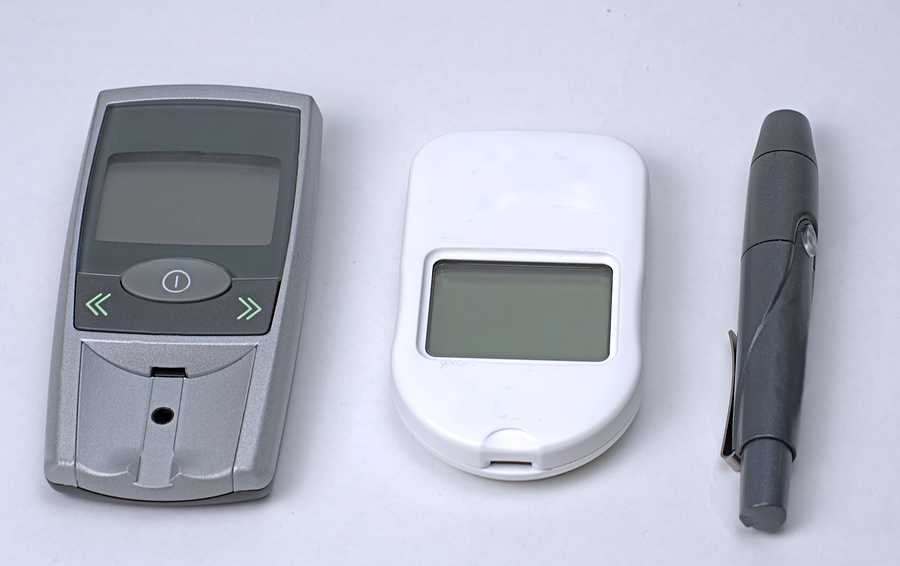
Diabetes Management and Supplies: Essential Tools for Better Blood Sugar Control
Managing diabetes effectively requires a combination of lifestyle adjustments, regular monitoring, and the right tools. Whether you have type 1, type 2, or gestational diabetes, having access to...
Understanding Diabetes Medications and Insulin Options
Finding the Treatment That Works for You Managing diabetes can feel overwhelming, especially when you’re trying to navigate medications, monitor your blood sugar, and stay on top of your health. The...
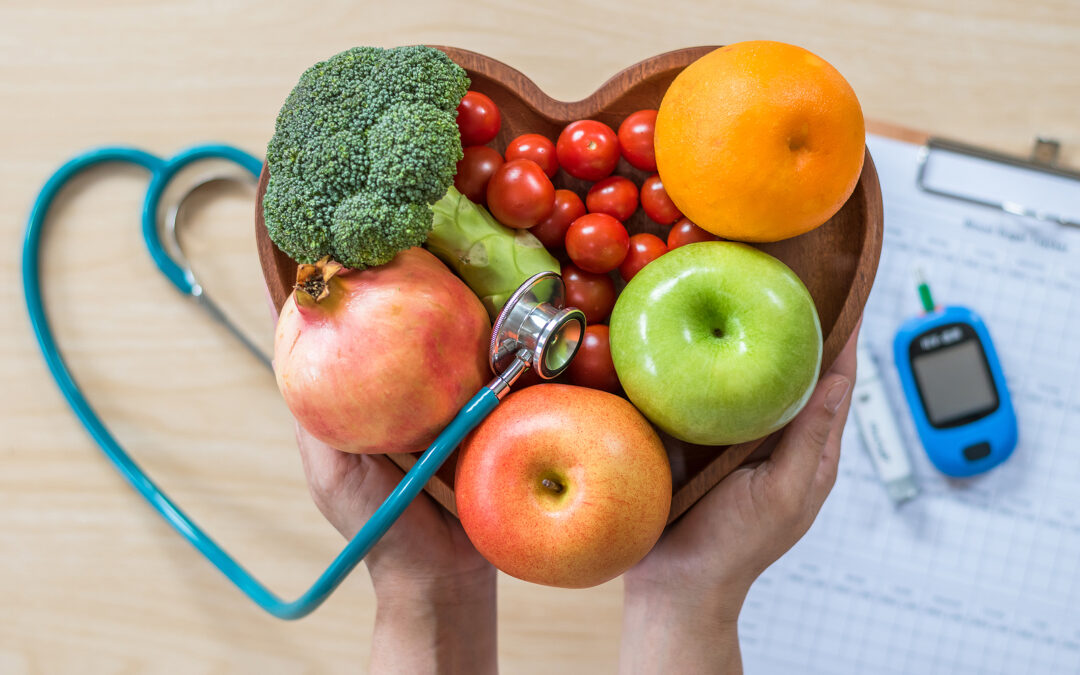
Diabetes and Diet – What to Eat for Blood Sugar Control
Enjoy Your Meals Without the Blood Sugar Spikes If you’ve ever asked, “What can I eat with diabetes?” and gotten a dozen different answers, you’re not alone. The good news is that managing your diet...